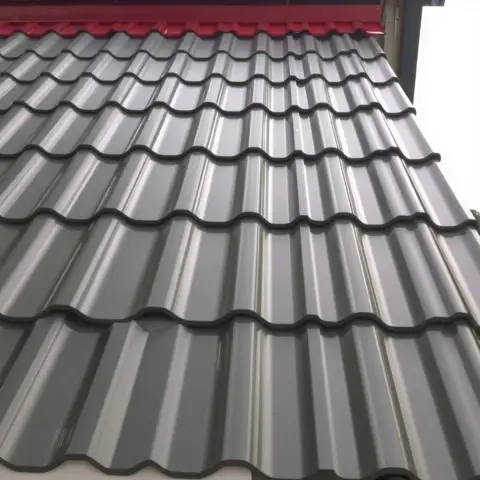
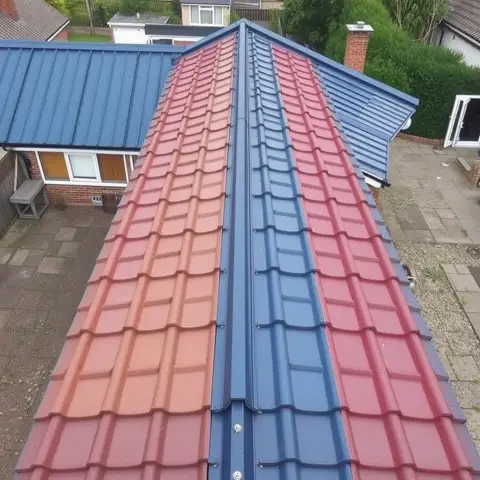
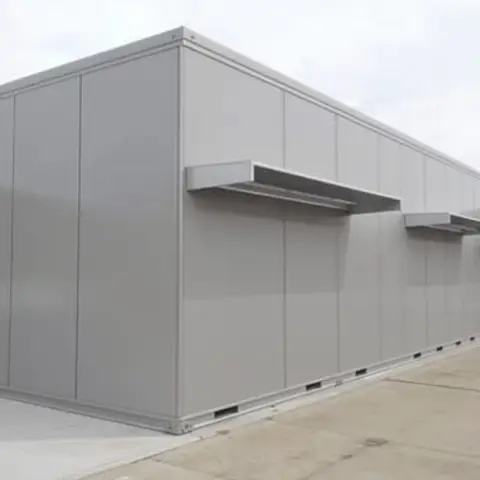
A 50mm Polyurethane Sandwich Panel is an insulated roofing panel designed for applications where thermal insulation and a finished roof surface are required in a single panel solution. The available product information identifies polyurethane as the material and color coating as the surface treatment. The panel is offered for roofing applications and can be sourced according to the requirements of a particular project.
For buyers in Indore and nearby industrial areas, sourcing the correct panel requires attention to thickness, material, surface treatment, color, required quantity, and intended application. Working with suitable suppliers can make it easier to identify a panel configuration that matches the project.
Construction and Material
The core material identified for this product is polyurethane. Polyurethane is used in insulated panel construction to provide an insulating layer within the panel assembly. The available product information also specifies a color-coated surface treatment, with white listed as the available color in the referenced product details.
The specified panel thickness is 50mm, making it relevant for projects where this particular insulation thickness is required. Buyers should confirm the final construction, facing details and dimensional requirements with the selected supplier before placing an order.
Features of 50mm Polyurethane Sandwich Panel
The key product features supported by the available source information include:
-
50mm panel thickness
-
Polyurethane material
-
Designed for roofing applications
-
Color-coated surface treatment
-
White color available in the referenced product information
-
Available through suppliers for project-based requirements
The source also indicates a broader range of insulation thicknesses, including 20mm, 25mm, 30mm, 40mm, 50mm, 60mm, 70mm and 75mm, although the specific product listing identifies the 50mm version.
Benefits for Industrial Roofing Projects
A polyurethane sandwich panel can be considered when a project requires an insulated roofing solution rather than a conventional roofing material alone. Its panel-based construction provides an integrated approach to roofing and insulation.
Key benefits include:
-
Insulated panel construction: Polyurethane is used as the specified insulation material.
-
50mm thickness: Provides a defined panel thickness for projects requiring a 50mm configuration.
-
Roofing application: The referenced product is specifically listed for roofing use.
-
Color-coated surface: The surface treatment provides a finished coated appearance.
-
Project-based sourcing: Buyers can discuss their required quantity and specifications with suitable suppliers.
-
Multiple thickness options: The source indicates availability across several insulation thicknesses, subject to supplier confirmation.
Design and Configuration
The 50mm configuration is the primary product requirement for this page. However, panel requirements can vary depending on the roofing project, required area and installation design. Buyers should share project dimensions and application details with suppliers so the appropriate panel configuration can be discussed.
Where a different insulation thickness is required, the available source information indicates options ranging from 20mm to 75mm. Final availability should be confirmed before procurement.
Applications
The referenced product is specified for roofing. Therefore, it can be considered for roofing projects where an insulated panel solution is required.
Potential project categories should be evaluated according to the actual requirements rather than assuming that every polyurethane panel is suitable for every environment. Buyers should confirm the intended application, panel construction and installation requirements with the supplier.
Industries and Use Cases
50mm polyurethane sandwich panels may be relevant to buyers working on:
-
Industrial roofing projects
-
Warehouse roofing
-
Commercial roofing projects
-
Insulated building structures
-
Construction projects requiring insulated roofing panels
-
Industrial facilities where insulated roofing is part of the project design
The exact suitability depends on the project's structural, environmental and installation requirements.
Customization and Installation
Panel requirements can differ according to the building design, roofing area and required thickness. Buyers should provide accurate project information when requesting quotations. This can include required panel thickness, approximate quantity, application and preferred surface or color.
Installation requirements should be confirmed with the selected supplier or installation professional. Correct handling, fixing and jointing are important considerations when installing panel-based roofing systems.
Maintenance and Selection Considerations
Before purchasing, buyers should compare the available material, thickness, surface treatment, color and quantity against their project requirements. For a 50mm panel, the buyer should specifically confirm that the quotation covers the required 50mm configuration.
It is also useful to request product details, available dimensions, supply conditions and installation guidance from the supplier before finalizing an order. This helps reduce specification mismatches during procurement.
Buying and Sourcing in Indore
Businesses searching for a 50mm Polyurethane Sandwich Panel in Indore can approach suitable manufacturers and suppliers with their project requirements. Local sourcing assistance can help buyers identify relevant product sources and compare available options.
Instead of selecting a panel only on price, buyers should consider the required thickness, application, surface treatment, quantity and overall project suitability. Supplier quotations can then be compared on the basis of the confirmed specifications.
Looking for 50mm Polyurethane Sandwich Panel Manufacturers or Suppliers in Indore?
We help buyers source 50mm Polyurethane Sandwich Panel suppliers and manufacturers in Indore according to their project requirements. Our sourcing assistance can help businesses understand the required specifications, identify suitable product sources, compare available options and share project requirements with relevant suppliers.
Buyers can provide the required thickness, application, quantity, preferred color and other project details to request suitable quotations. This makes the procurement process more focused and helps buyers connect with sources that can address their specific requirements.