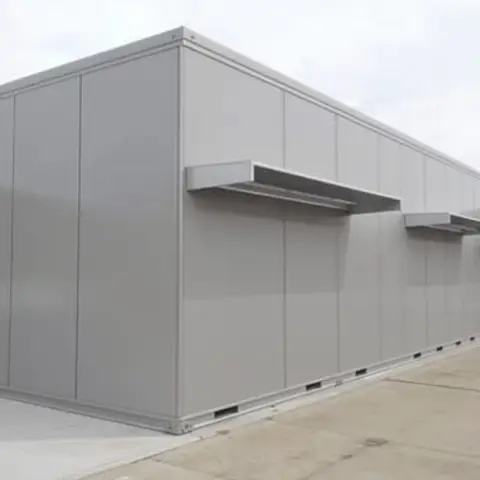
A Cold Room Panel is an insulated building panel used for constructing temperature-controlled spaces. The verified product information describes PUF-based insulated panels used for cold storage applications. These panels use polyurethane foam insulation and are designed for applications where thermal insulation is important.
For cold-storage projects, panel selection depends on the required insulation level, room design, dimensions, temperature conditions and installation requirements. The source information specifically identifies PUF insulated wall panels, PUF sandwich panels and cold-storage PUF insulated roofing panels as relevant configurations.
Construction and Material
The primary insulation material identified in the source is PUF (Polyurethane Foam). PUF panels are constructed as insulated sandwich-type panels, with a rigid polyurethane foam core positioned between metal sheets. The source also describes outer layers that may use materials such as galvanized steel, aluminium or pre-painted galvanized iron, depending on the panel configuration.
This construction combines an insulated core with protective outer surfaces, making the panels suitable for walls and roofing applications associated with cold-storage and other insulated structures.
Thickness and Configuration
Cold-storage requirements can vary considerably. The source's cold-storage room information states that PUF panel thickness typically ranges from 60 mm to 150 mm, depending on the required insulation level and temperature requirement.
Other PUF panel configurations listed on the source have different thickness specifications, including wall and roofing panel options. Therefore, buyers should not select a panel thickness solely by product name. The required thickness should be confirmed against the intended application and project conditions.
Key Features
Cold Room Panels offer several practical characteristics relevant to temperature-controlled construction:
- PUF insulation for thermal insulation
- Sandwich-panel construction
- Rectangular panel configuration
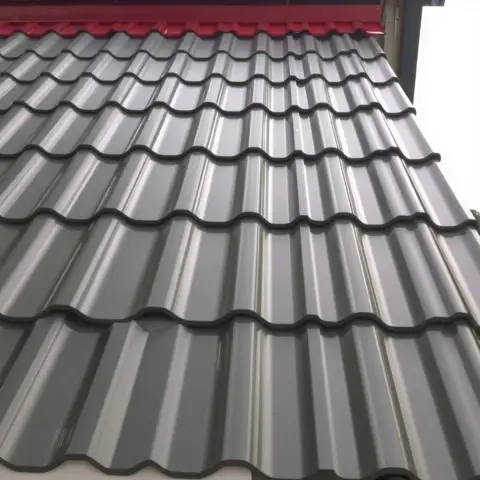
- Options for wall and roofing applications
- Color-coated surface options on specified configurations
- Lightweight construction compared with conventional insulated building systems
- Availability in different thickness configurations depending on application
Benefits of Using Cold Room Panels
Thermal Insulation
The PUF core provides thermal insulation that helps reduce heat transfer between the controlled interior and surrounding environment.
Suitable for Cold Storage
PUF insulated panels are specifically identified for cold-storage applications and can be used in the construction of temperature-controlled rooms.
Modular Construction
Panel-based construction allows walls and roofing to be assembled as part of a structured insulated enclosure.
Flexible Thickness Selection
Cold-storage panel thickness can be selected according to the required insulation level and project temperature conditions.
Wall and Roofing Applications
Different PUF panel configurations can be considered for wall and roofing requirements, allowing buyers to match the panel type with the intended installation area.
Project-Based Sourcing
Buyers can request panel options according to room dimensions, application, thickness and other project requirements rather than selecting a generic panel without technical evaluation.
Applications
Cold Room Panels can be used for:
- Cold storage rooms
- Temperature-controlled storage areas
- Refrigerated facilities
- Food storage facilities
- Industrial cold-storage structures
- Cold-chain infrastructure
- Insulated walls and roofing for temperature-controlled spaces
Industries
Relevant industries include:
- Food processing
- Cold storage
- Warehousing and logistics
- Refrigerated storage
- Pharmaceutical and temperature-sensitive storage applications
- Industrial facilities requiring insulated spaces
The exact panel specification should be selected according to the operating conditions and requirements of the individual facility.
Installation and Maintenance Considerations
Installation should be planned according to the cold-room design, panel dimensions, joints, doors, roofing or wall arrangement and site conditions. The source also lists PUF panel installation as a related service, indicating that installation can form part of a project requirement.
Before installation, buyers should confirm panel dimensions, thickness, surface requirements and the intended wall or roofing configuration. During use, panels should be inspected periodically for visible surface damage, damaged joints or conditions that could affect insulation performance.
How to Select the Right Cold Room Panel
Before requesting quotations, buyers should clearly define:
- Required cold-room dimensions
- Wall or roofing application
- Required panel thickness
- PUF insulation requirement
- Surface and color preference
- Operating temperature and storage conditions
- Quantity or total area required
- Installation requirements
- Site location and access conditions
For cold-storage projects, thickness is particularly important because the source identifies different thickness ranges according to insulation and temperature requirements.
Buying and Sourcing Considerations in Vasai Virar
Businesses searching for a Cold Room Panel Supplier in Vasai Virar should provide complete project information before requesting a quotation. This helps suitable manufacturers and suppliers understand the application and recommend an appropriate panel configuration.
We help buyers identify relevant product sources in Vasai Virar and nearby industrial markets, compare available options and communicate project requirements to suitable suppliers. Buyers can request quotations based on panel type, thickness, quantity, dimensions and installation scope.
Looking for Cold Room Panel Manufacturers or Suppliers in Vasai Virar?
We help businesses source Cold Room Panels by understanding their technical and project requirements, identifying suitable manufacturers or suppliers, comparing relevant product options and sharing specifications with potential sources.
Our sourcing assistance can help buyers:
- Define the required panel specifications
- Identify suitable manufacturers and suppliers
- Compare available product configurations
- Share project requirements with relevant sources
- Request quotations
- Connect with suitable product suppliers
The final product selection should be based on verified specifications, application requirements, project dimensions and supplier quotation.